Application and viewing distance
Cast signs are commonly considered for entrances, institutional signs, plaques and dimensional branding where relief is part of the design. Letter height and detail should be reviewed from the main viewing distance.
Solid metal cast from molten aluminum, brass or bronze, with dimensional relief that flat-cut letters cannot achieve. Built for monumental entrances and institutions that demand permanence.

| Process | Sand cast, investment cast, or die cast |
| Materials | Aluminum, brass, bronze, iron |
| Finish | Natural patina, polished, painted, or clear-coated |
| Thickness | 5mm–25mm typical |
| Weight | Substantial — solid metal feel |
| Mounting | Stud mount, standoff, or flush |
| Minimum order | 1 piece |
| Production | 18-25 days (includes mold making) |
| Proof | Free 3D render proof |
| Shipping | Express 7–10 days · Air ~10 days · Sea 40–65 days |
| Warranty | Lifetime on casting defects |
| Payment | 50% deposit, 50% before shipping |
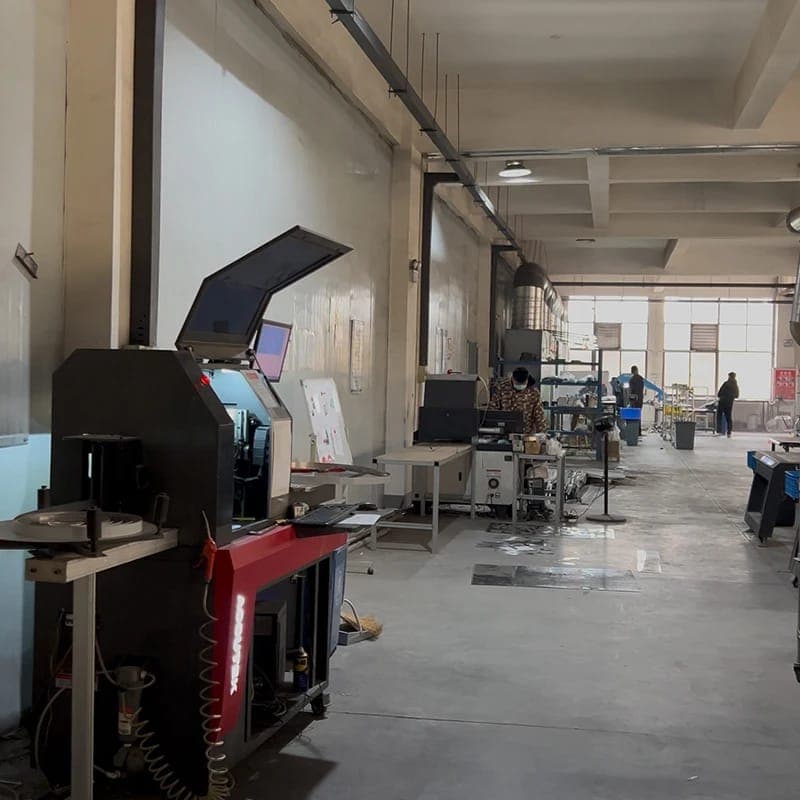
When you buy from a trading company, you pay a middleman and wait on someone else's production line. When you buy from SignLumi, you talk directly to the factory that cuts, welds, assembles and wires your signs.
Cast metal signs create dimensional letters, plaques and emblems by forming metal in a mould. The result can carry deeper relief and more complex shaping than a simple flat-cut letter, but the project must be planned around the pattern, alloy, surface finish and final weight. Mounting is especially important because the fixing system must suit both the cast item and the wall. Buyers should approve artwork, tooling requirements and the construction details before production.
Cast signs are commonly considered for entrances, institutional signs, plaques and dimensional branding where relief is part of the design. Letter height and detail should be reviewed from the main viewing distance.
Sand, investment and die-casting describe different production approaches and are suited to different shapes, quantities and detail requirements. The quotation should state which method is proposed for the approved design.
Aluminum, brass or bronze can be specified with an appropriate finish for the intended appearance and exposure. For outdoor or coastal sites, confirm the alloy and protection in the bill of materials.
Changes in depth create shadows that affect readability under daylight and artificial lighting. Review the model or dimensioned drawing, especially where letter edges, borders and background surfaces meet.
Cast components can be heavier than sheet-metal letters, so weight must be calculated with the final dimensions and alloy. Mounting hardware and wall anchors must be selected for the actual wall condition.
Complex or custom shapes may require tooling and pattern work. Ask for tooling charges, revision rules, weight estimates and a dimensioned approval before releasing production.
| Decision | What to compare | What to send |
|---|---|---|
| Shape | Flat, raised or deep-relief detail | Vector artwork or model |
| Method | Sand, investment or die-cast | Quantity and detail requirement |
| Alloy | Aluminum, brass or bronze | Indoor or outdoor location |
| Finish | Color, polish and protection | Sample or reference image |
| Mounting | Estimated weight and wall type | Site photos and fixing notes |
| Tooling | Pattern and revision requirements | Signed drawing and quotation |
Weight depends on the alloy, dimensions, relief and thickness. The factory should calculate it from the approved drawing so the mounting and wall fixing can be selected correctly.
Mounting must be designed for the estimated sign weight and the actual wall construction. Provide wall photos and dimensions so the fixing method can be confirmed before production.
Tooling requirements depend on the selected casting method and design. Any pattern, mould or setup charge should be itemized in the quotation and linked to the approved artwork revision.
Weight depends on the alloy, dimensions, relief and thickness. The factory should calculate it from the approved drawing so the mounting design and wall fixing can be selected correctly.
Provide the wall type, mounting height, access conditions and photos. The fixing design should account for the estimated sign weight and whether the wall is concrete, masonry, framed or another construction.
Tooling requirements depend on the selected casting method and design complexity. The quotation should itemize any pattern, mould or setup charge and confirm which artwork revision the tooling will follow.
Send us your logo and dimensions — get a free quote within 24 hours.